Decoding Subtitle Timing Protocols in Multilingual Film Access Systems
Written by Parker Patterson · Oct 9, 2026
Decoding Subtitle Timing Protocols in Multilingual Film Access Systems
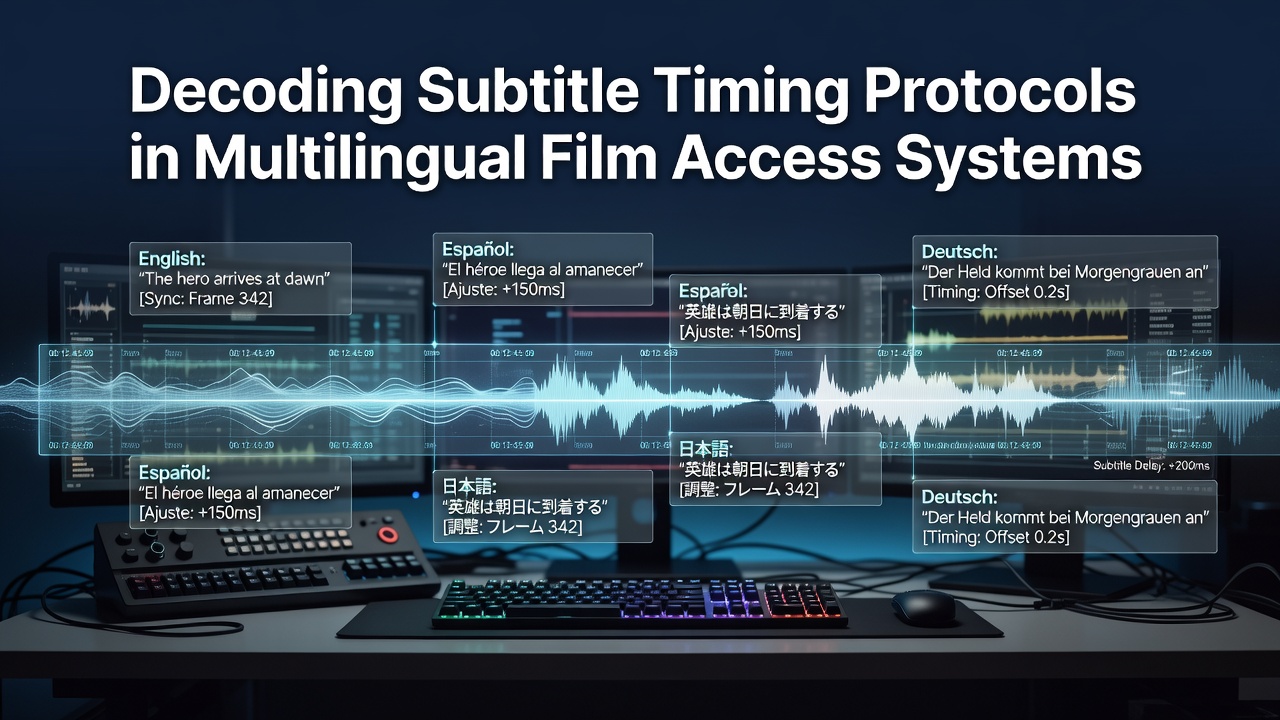
Subtitle timing protocols form the backbone of multilingual film access systems where precise synchronization between audio tracks and text overlays determines viewer comprehension across languages and regions, and experts at organizations such as the Society of Motion Picture and Television Engineers have documented how these protocols manage frame-accurate placement through standardized timecodes that account for variable playback speeds and regional broadcast standards.
Core Components of Timing Protocols
Systems rely on formats including SRT, WebVTT and TTML to encode start and end times for each subtitle segment while researchers note that these structures embed metadata for font rendering, positioning and language-specific character sets which allow seamless switching between dubbed and subtitled versions without audio drift, and data from accessibility reports indicate that mismatches in timing often arise when source materials use different frame rates such as 24fps for cinema versus 25fps for PAL broadcasts.
Observers note that conversion tools automatically adjust timestamps using algorithms that interpolate between reference points yet challenges persist in languages with longer average sentence lengths where subtitle blocks must expand or contract to maintain readability, and studies from European accessibility initiatives show that average display durations range between one and seven seconds depending on dialogue density and viewer reading speeds documented in controlled tests.
Handling Multilingual Synchronization Challenges
Multilingual platforms process timing offsets introduced by translation length variations and cultural pacing differences so that a single master timecode track maps to multiple subtitle files each calibrated for its target language, and those who manage large catalogs report that automated alignment software compares phonetic timestamps from speech recognition outputs against manual annotations to flag potential desyncs before final release.
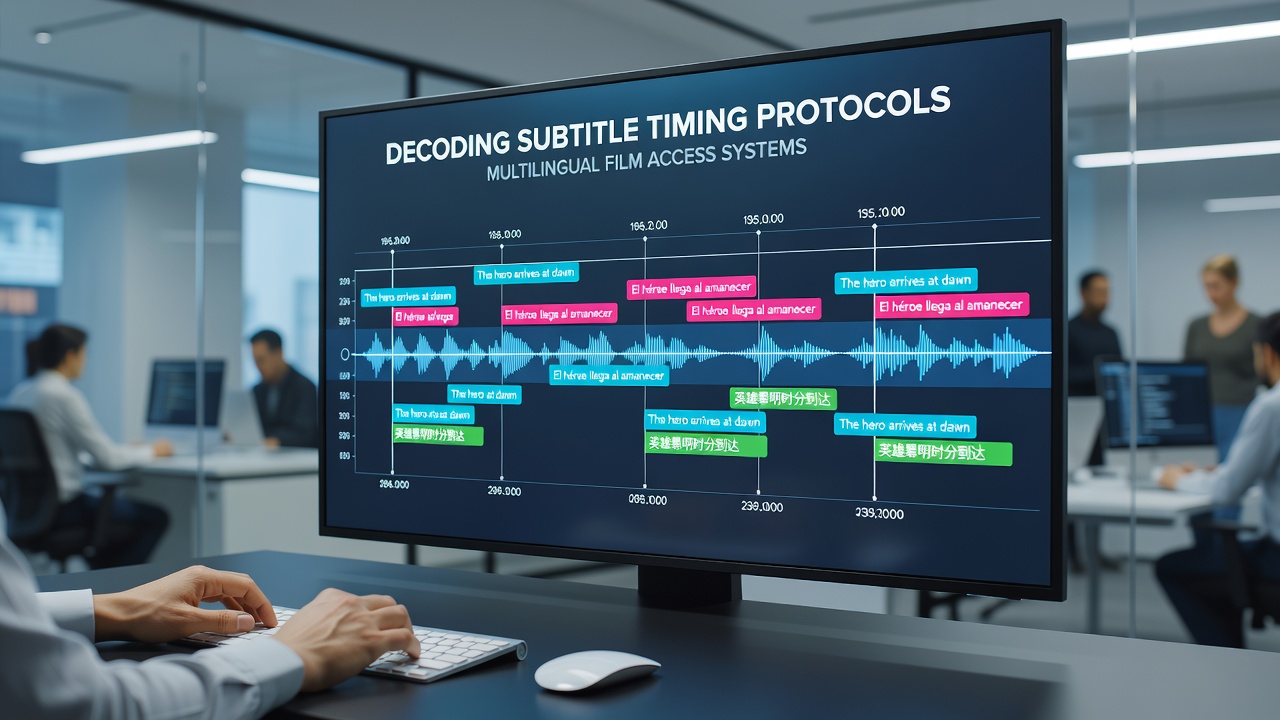
But here's the thing: frame-accurate protocols become critical during live captioning extensions or when integrating sign language overlays which require independent timing channels that run parallel to primary text tracks, and figures from industry reports reveal that systems handling over fifty simultaneous language options maintain separate cue sheets linked through a central manifest file to prevent cumulative drift during extended playback sessions.
Standards and Implementation Practices
Regulatory frameworks in regions such as the European Union and Australia establish minimum requirements for subtitle accuracy that reference SMPTE timecode specifications and W3C recommendations for web-based delivery, while SMPTE standards documentation outlines how embedded metadata tags handle regional time base variations and how operators calibrate equipment to match local broadcast norms. And in Canada accessibility guidelines emphasize testing protocols that verify synchronization across multiple devices and network conditions.
Turns out that integration with digital rights management layers adds another dimension because encryption keys must align with timed metadata packets so that subtitle streams decrypt in lockstep with video segments, and those who've studied large-scale deployments find that discrepancies most commonly surface during region-locked content migrations when time zone offsets affect scheduled premiere windows.
Technical Tools and Validation Methods
Validation suites compare rendered output against reference audio waveforms using automated lip-sync detection algorithms that measure deviation in milliseconds, and data shows that acceptable thresholds typically fall under 100 milliseconds for narrative dialogue while musical sequences tolerate slightly wider margins before viewers register misalignment, and Australian accessibility resources provide testing templates that operators adapt for multilingual catalogs.
What's interesting is how emerging machine-learning models now predict optimal display windows by analyzing dialogue rhythm patterns across source languages which reduces manual correction time yet still requires human review for idiomatic expressions that carry timing implications unique to each culture.
Conclusion
Subtitle timing protocols continue to evolve alongside advances in streaming infrastructure and accessibility mandates so that multilingual film access systems deliver consistent experiences regardless of language or playback environment, and ongoing refinements in timecode handling reflect the combined input of standards bodies and technical practitioners working to maintain synchronization integrity across expanding global catalogs.