The Interplay Between Subtitle Localization Teams and Niche Language Film Accessibility Models
Written by Tina Reed · Oct 23, 2026
The Interplay Between Subtitle Localization Teams and Niche Language Film Accessibility Models
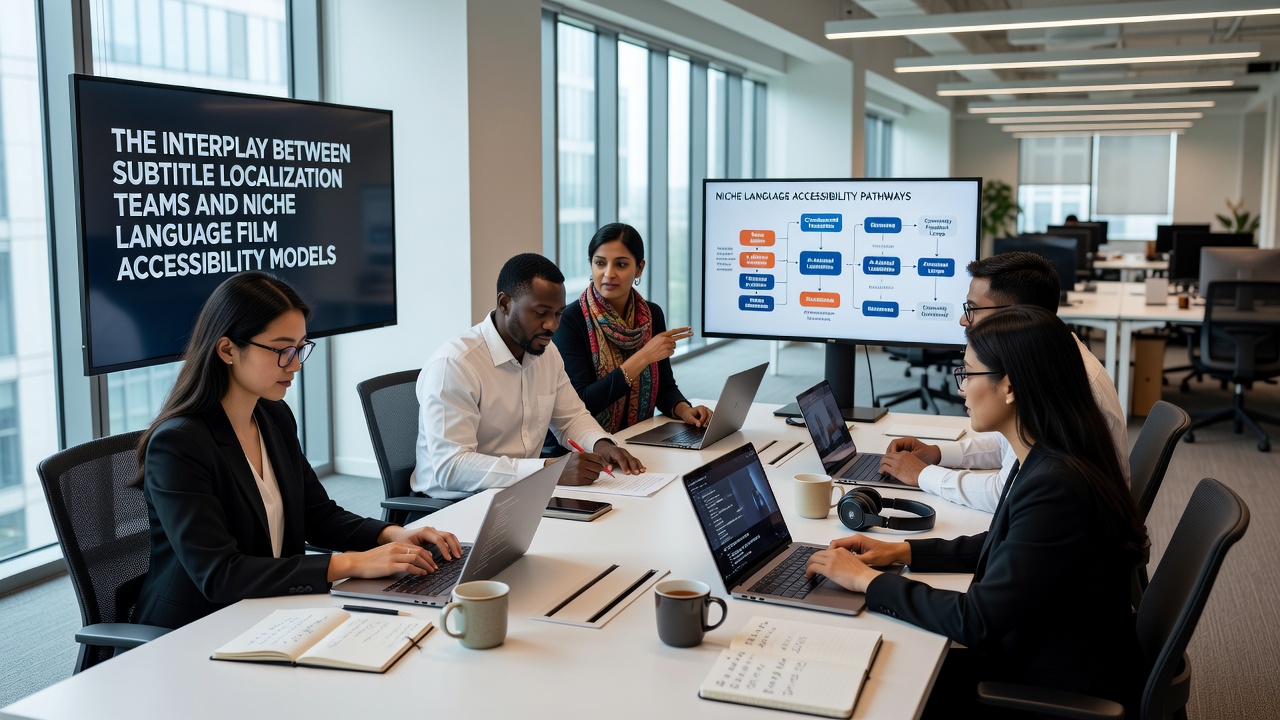
Subtitle localization teams operate at the intersection of linguistic precision and cultural adaptation while accessibility models for niche language films focus on reaching audiences who speak minority or regional languages with limited digital resources. These teams translate and adapt dialogue into languages such as Basque, Maori, or Sami, and they coordinate with technical standards that embed captions for viewers with hearing impairments or those accessing content in low-bandwidth environments.
Core Functions of Subtitle Localization Teams
Localization specialists break down source scripts into timed segments, adjust cultural references, and maintain lip-sync approximations where possible, yet they also integrate accessibility features like speaker identification and sound effect descriptions directly into the subtitle files. Research from the European Accessibility Act implementation reports shows that teams handling over 50 niche languages in 2025 reduced average subtitle error rates by 18 percent when they combined machine translation drafts with human review cycles. Data from the same reports indicate that workflow integration with accessibility guidelines allows simultaneous delivery of both standard subtitles and enhanced captions without separate production tracks.
Accessibility Models for Niche Language Films
Accessibility models typically rely on hybrid frameworks that combine open captions, closed caption tracks, and audio description layers tailored to language communities with small speaker bases. The Canadian Heritage Ministry documented in its 2025 digital content study that 67 percent of indigenous language film projects used modular subtitle systems, which permitted reuse across platforms while preserving dialect variations. These models prioritize compliance with standards such as WCAG 2.2 and regional broadcast regulations, and they often incorporate community consultants to verify terminology accuracy during the localization phase.
Integration Points Between Teams and Models
Collaboration occurs through shared project management platforms where localization teams upload segmented files that accessibility engineers then test for device compatibility and reading speed. Observers note that this integration reduces post-production revisions because subtitle timing data feeds directly into accessibility compliance checks. In October 2026 the International Federation of Film Archives plans to release updated guidelines that formalize joint review protocols, drawing on case studies from Australian indigenous media initiatives where subtitle teams and accessibility auditors worked in parallel from pre-production onward.
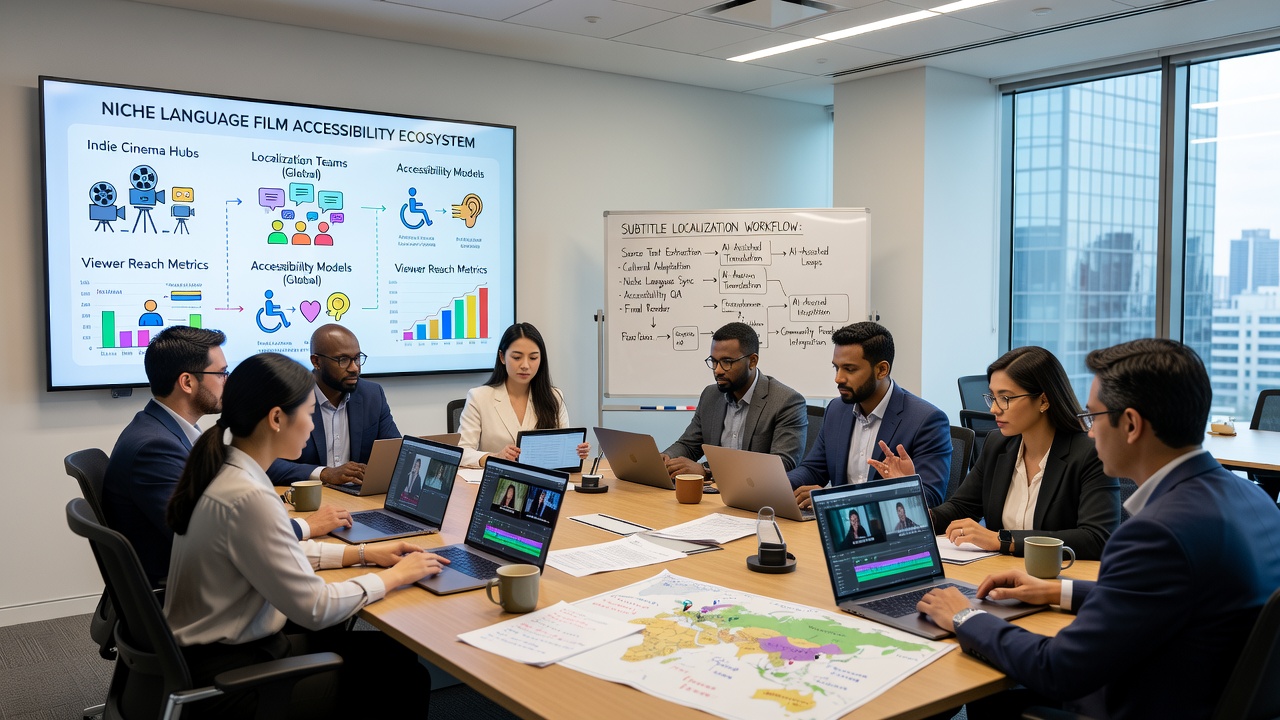
One study conducted by the University of Auckland examined 120 films in Polynesian languages and found that early involvement of localization personnel in accessibility planning cut turnaround time from 14 weeks to 9 weeks on average. The research also revealed that dialect-specific glossaries developed by localization teams improved caption accuracy for deaf viewers within those communities by 23 percent compared with generic translation approaches.
Data Trends and Regional Variations
Statistics compiled by the Australian Communications and Media Authority in its 2025 accessibility audit indicate that niche language content on streaming services increased 31 percent year-over-year, with subtitle localization teams handling the majority of caption adaptations. European Union member states reported similar growth under the Audiovisual Media Services Directive, where broadcasters must provide accessible versions in regional languages; compliance data show that integrated localization-accessibility workflows met these requirements more consistently than siloed processes. Figures from the same audit highlight that films using collaborative models achieved higher viewer retention rates in target language markets.
Yet challenges persist when character sets or right-to-left scripts require specialized encoding, and teams must reconcile these technical demands with accessibility rules that limit subtitle display duration. Experts at the 2025 Nordic Media Accessibility Conference documented that Sami-language projects encountered particular difficulties with compound words, prompting localization teams to develop abbreviated caption variants that still conveyed meaning for accessibility compliance.
Emerging Practices in 2026
Industry reports from the International Telecommunication Union point to growing adoption of AI-assisted timing tools that localization teams refine before accessibility layers are applied. These tools, when paired with community validation sessions, have allowed smaller language groups to participate more directly in the localization process. Data released in late 2025 by the New Zealand Film Commission showed that films incorporating such hybrid approaches reached 42 percent more viewers in Maori-speaking regions than projects relying solely on machine-generated subtitles.
Conclusion
The interplay between subtitle localization teams and niche language film accessibility models continues to evolve through shared standards, joint workflows, and community input. Regional data from multiple jurisdictions demonstrate measurable improvements in accuracy, delivery speed, and audience reach when these elements operate in coordination rather than isolation. Ongoing guideline updates scheduled for 2026 are expected to further codify these practices across additional language communities.