Tracing Algorithmic Curation's Influence on Surfacing Genre Hybrids Within Global Digital Film Repositories
Written by Parker Patterson · Sep 25, 2026
Tracing Algorithmic Curation's Influence on Surfacing Genre Hybrids Within Global Digital Film Repositories
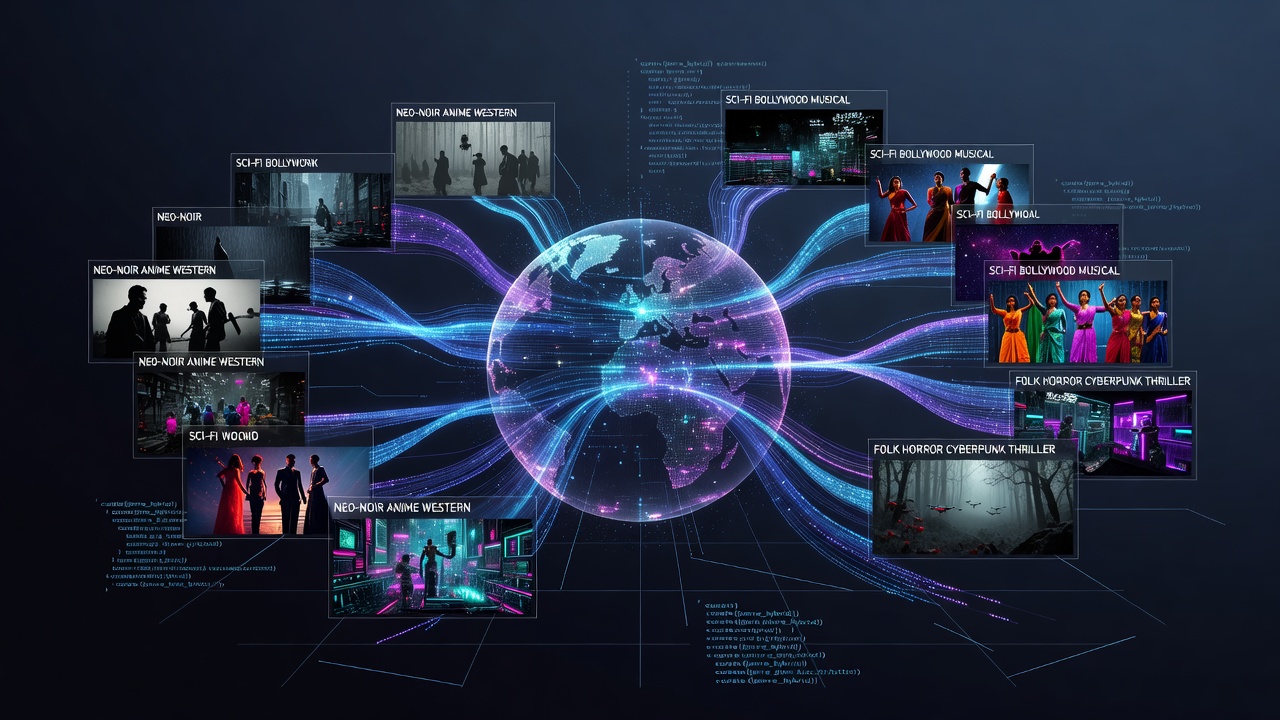
Digital film repositories rely on algorithmic curation to organize vast libraries and connect viewers with titles that blend multiple genres, and this process has accelerated as platforms expanded their international catalogs through 2026. Systems analyze viewing patterns, metadata tags, and cross-cultural preferences to elevate films that mix elements such as science fiction with drama or horror with comedy, while global repositories like those operated by major streaming services maintain these recommendations across regions.
How Algorithmic Systems Identify and Promote Genre Blends
Recommendation engines process user interaction data alongside content descriptors to detect patterns where traditional genre boundaries blur, and researchers at institutions tracking media consumption note that these models often prioritize hybrids because they appeal to broader audiences across different markets. Platforms apply machine learning techniques that weigh factors including regional popularity metrics and completion rates, which allows titles combining action sequences with cultural narratives from Asia or Europe to appear in suggestions for users in North America or Australia. Data from industry reports indicate that such curation increases visibility for films that might otherwise remain buried in large catalogs, since algorithms adjust rankings based on real-time feedback loops rather than static categories alone.
Data Patterns Driving Hybrid Surfacing
Studies conducted by academic groups reveal that algorithmic scoring frequently assigns higher priority to productions featuring overlapping tags, for instance labeling a title as both thriller and romance when narrative elements support dual classification, and this approach has led to greater exposure for international co-productions. In September 2026 several repositories updated their tagging protocols to incorporate more granular metadata from film commissions in Canada and the European Union, which in turn refined how hybrids reached diverse user segments without requiring manual intervention from curators.
Observers note that collaborative filtering methods compare individual histories against aggregate trends, thereby surfacing genre fusions that align with emerging viewer clusters in Latin America or Southeast Asia, while content-based filtering examines visual and audio signatures to match hybrids with similar past successes. These combined techniques create pathways for films that draw from multiple traditions to gain traction beyond their countries of origin.
Global Repository Structures and Cross-Border Discovery
Repositories maintain separate regional libraries yet share backend algorithms that normalize metadata standards, and this setup enables a hybrid film produced in South Korea to receive algorithmic boosts in recommendations for audiences in the United Kingdom or New Zealand based on comparable engagement signals. Government agencies such as the European Commission's digital strategy documentation have documented how transparency requirements around recommendation systems encourage platforms to disclose weighting criteria that affect hybrid visibility. Similar oversight from Australian communications authorities tracks how local content quotas interact with algorithmic promotion of blended genres.
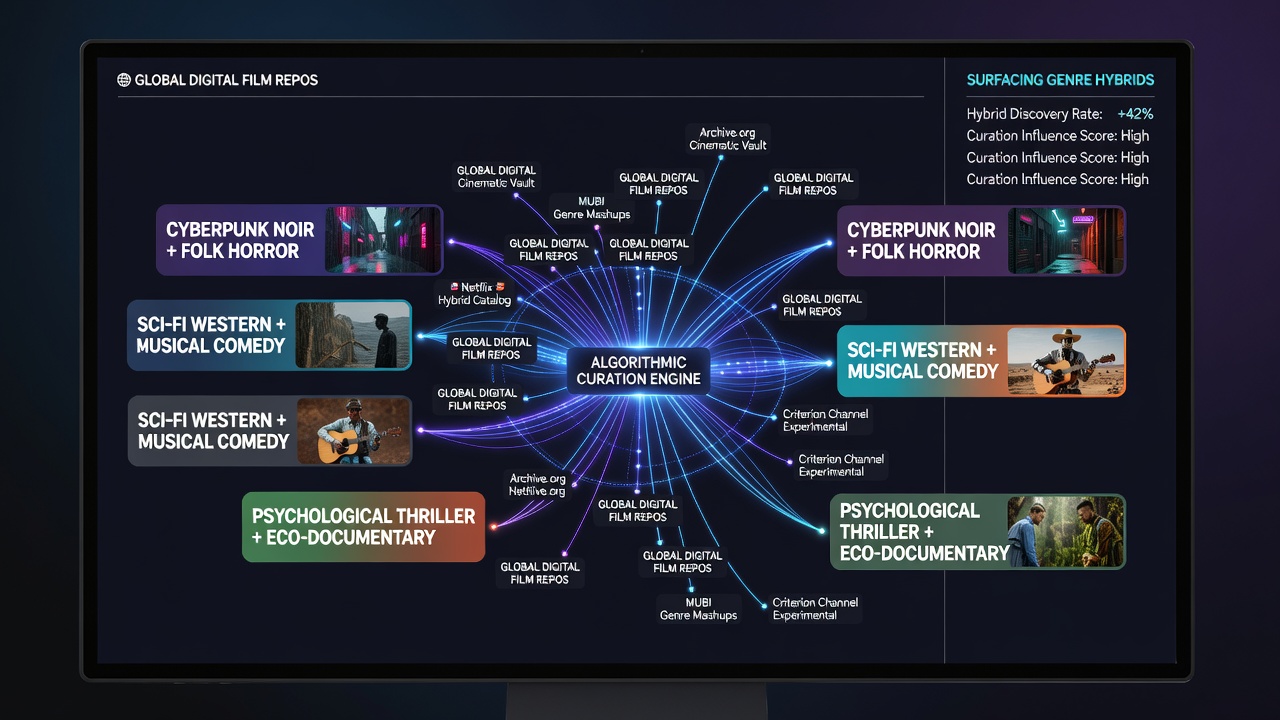
Those who analyze repository logs find that hybrid titles often benefit from seasonal adjustments tied to cultural events or holidays, which algorithms detect through spikes in search volume for specific narrative combinations. Evidence from platform transparency reports shows increased placement of such films during periods when global viewership data highlights demand for cross-genre storytelling, and this dynamic continues to shape catalog presentation in 2026.
Impact on Content Metadata and Tagging Practices
Metadata teams at major repositories now incorporate machine-assisted classification that identifies subtle genre overlaps more consistently than earlier manual systems, and this shift has allowed films blending documentary techniques with fictional drama to surface in targeted searches worldwide. Research from university media labs indicates that refined tagging reduces the chance of hybrids being siloed under single categories, thereby expanding their algorithmic reach through improved similarity calculations. Platforms have responded by integrating feedback from regional film boards to ensure metadata reflects cultural nuances that influence how blends are interpreted in different markets.
Case examples include repositories adjusting weights for titles that fuse martial arts choreography with science fiction themes, after aggregate data revealed sustained interest across multiple continents. These adjustments occur through iterative model training that incorporates new viewing sessions without altering core recommendation logic.
Conclusion
Algorithmic curation continues to determine which genre hybrids gain prominence in global digital film repositories through ongoing refinement of data models and metadata frameworks, and developments observed through September 2026 demonstrate sustained integration of regional regulatory inputs alongside platform analytics. This process relies on measurable interaction patterns and standardized classification methods that support discovery of blended productions across borders, while maintaining the operational structures that repositories use to manage expanding libraries.